

Materials for

Custom Marine Parts

Selecting the right material is essential for marine components exposed to saltwater, humidity, mechanical loads and long-term outdoor use. BC Marine Tech works with a range of engineering materials for custom marine parts, helping match material properties with the application, environment and manufacturing requirements.

How to Choose the Right Material for Marine Parts

Corrosion Resistance

Suitable material selection for saltwater, humidity and demanding marine environments.

Strength & Load

Consider tensile, impact and mechanical loads according to the part’s application.

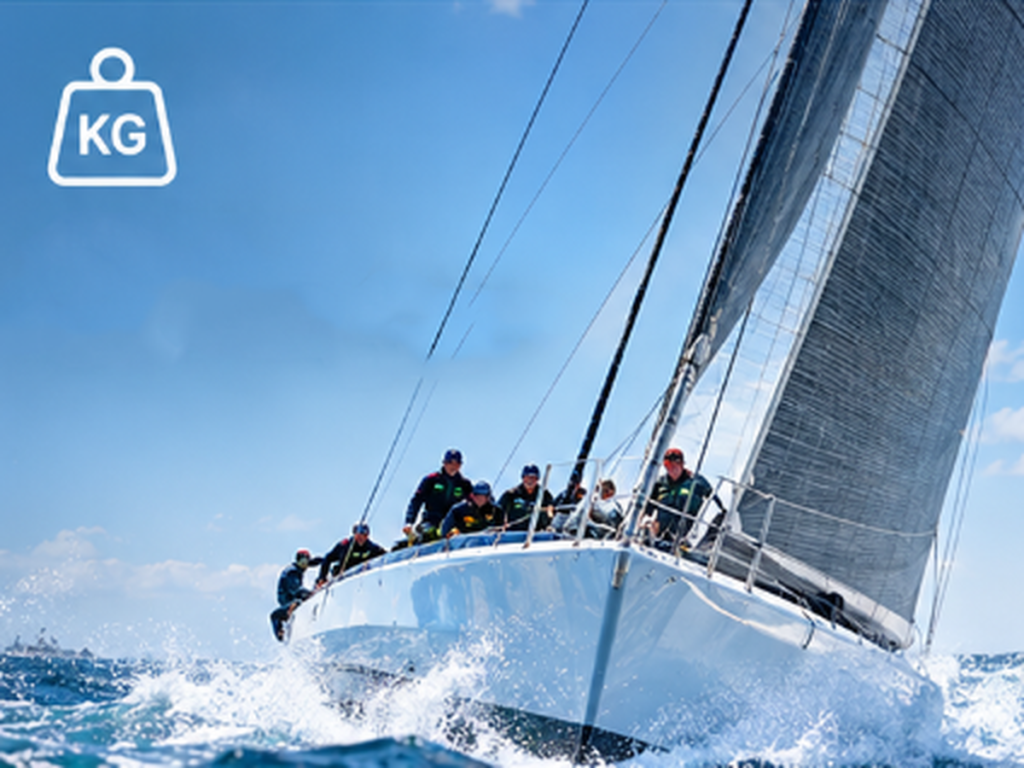
Weight

Material weight can influence overall component weight and system requirements.

Wear Resistance

Important for components exposed to friction, movement and repeated use.

Machinability

Material selection also needs to match CNC machining, precision requirements and part geometry.

Common Materials for Marine Parts

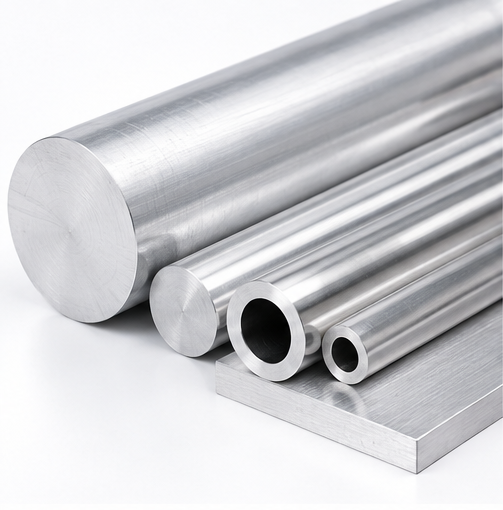
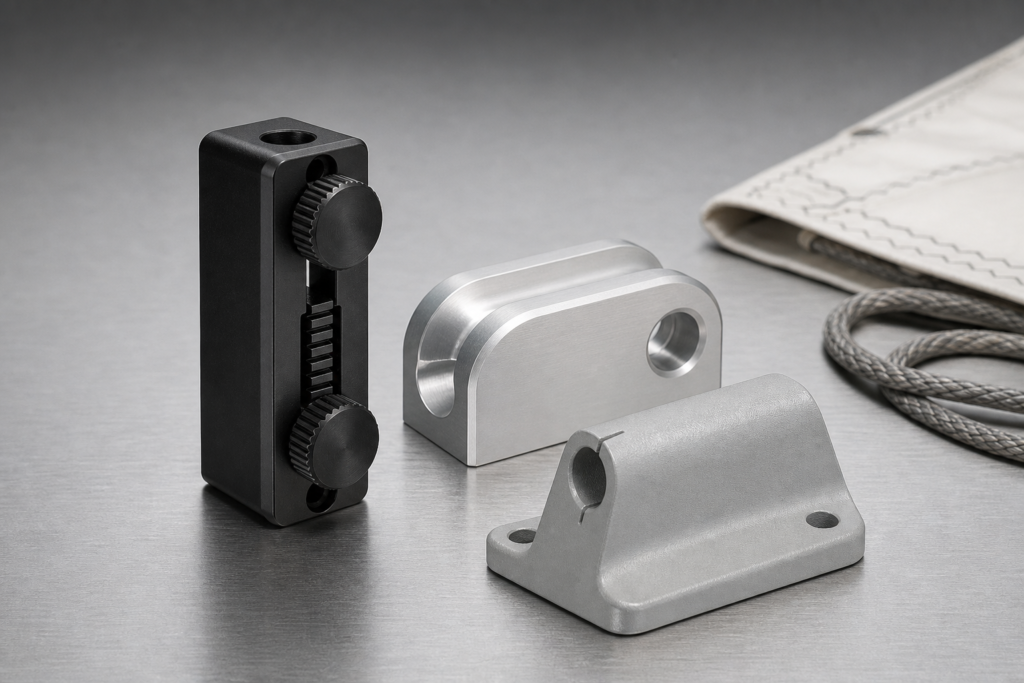
Aluminum

Lightweight • Corrosion Resistance • Machinability

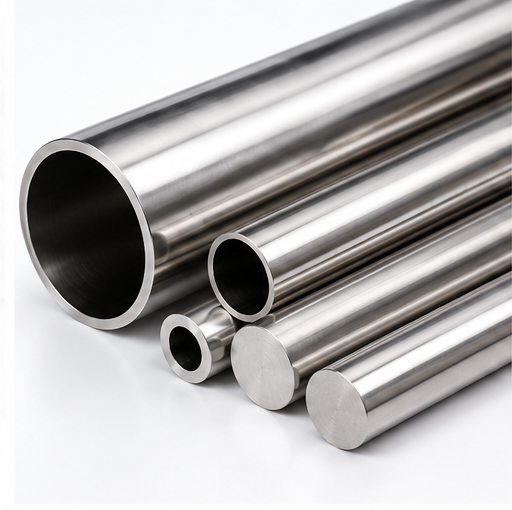
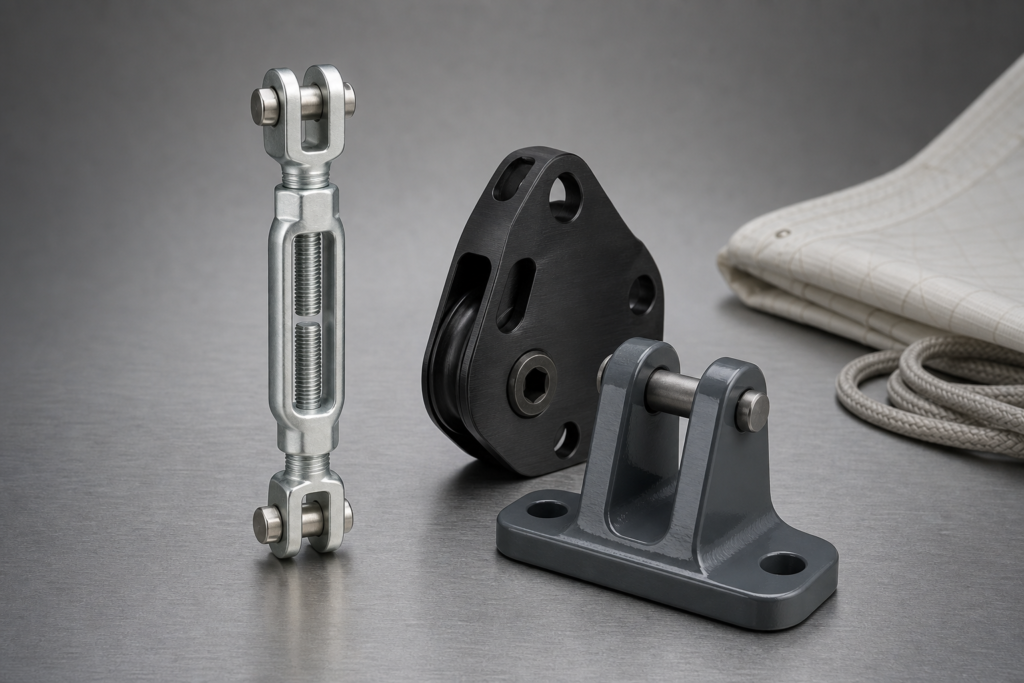
Stainless Steel

Strength • Corrosion Resistance • Durability

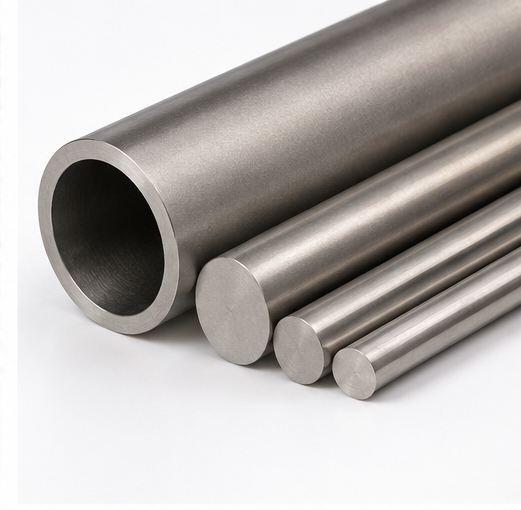
Titanium

High Strength-to-Weight Ratio • Corrosion Resistance

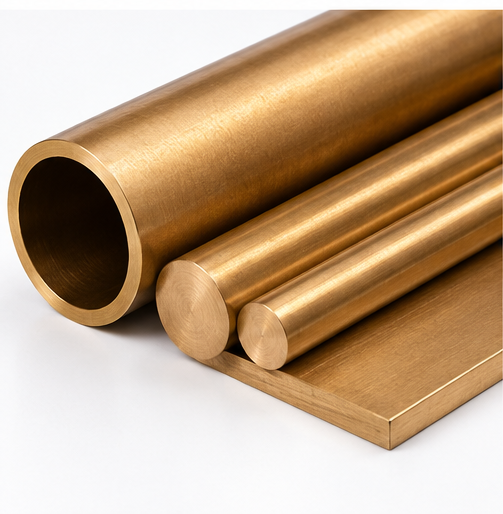
Copper & Copper Alloys

Electrical Conductivity • Thermal Conductivity

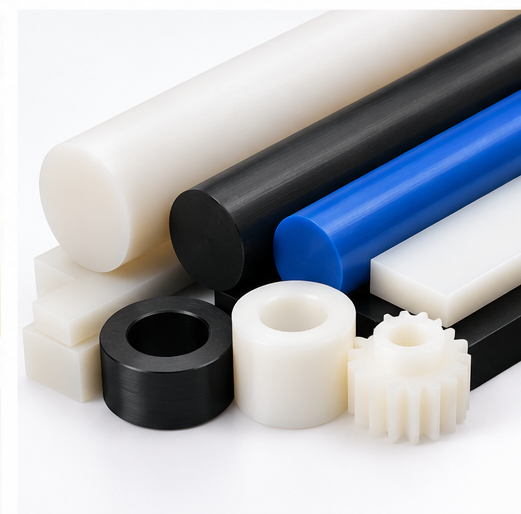
Engineering Plastics

Low Friction • Lightweight • Chemical Resistance

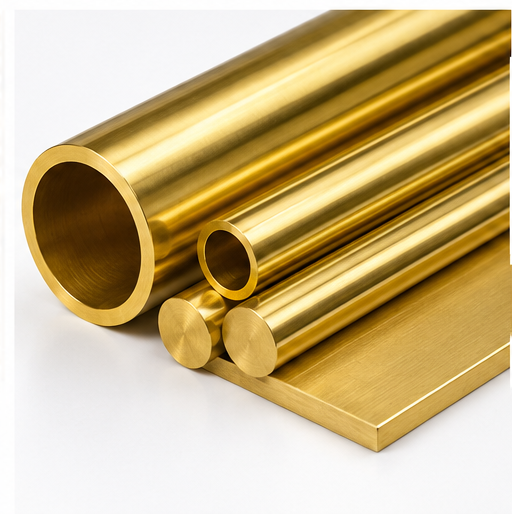
Brass

Machinability • Corrosion Resistance

Material Comparison

Material Corrosion Resistance Strength Weight Machinability Typical Applications
Aluminum High Medium Low Excellent Brackets, housings, mast parts
Stainless Steel High High High Good Marine fittings, shafts, hardware
Titanium Excellent High Low Moderate Performance components
Copper Alloys Good Medium High Good Electrical / specialized parts
Engineering Plastics Varies Low–High Very Low Good Bushings, guides, spacers
Brass Good Medium High Excellent Bushings, fittings

Material Selection Guide

Which Material Is Suitable for Your Part?

Material & Surface Treatment

Aluminum

Anodizing / Hard Anodizing / Powder Coating

Stainless Steel

Polishing / Passivation / Electropolishing

Titanium

Polishing / Anodizing / Specialized Coatings

Steel

Plating / Black Oxide / Powder Coating

Our Marine Manufacturing Advantages

20+ Years in Marine Industry
0 +
500+ Happy Customers
0 +
100% Quality Guaranteed
0 %
30+ Marine Product Types
0 +

Marine Environments

Materials for Different Marine Environments

Customer Reviews

FAQS

What materials are commonly used for marine parts?
Common options include aluminum, stainless steel, titanium, brass, copper alloys and engineering plastics. The suitable grade depends on the application and operating environment.
Aluminum can be considered where low weight, corrosion resistance and machinability are important.
Certain stainless steel grades are commonly used in marine environments. Material grade, exposure conditions, design and surface condition should all be considered.
Titanium can be considered for applications where low weight, high strength and corrosion resistance are important.
Material requirements can be incorporated into custom manufacturing based on drawings, 3D models or samples, subject to material availability and technical requirements.
Get Your Custom Quote

Get Your Custom Quote