
Aluminium vs. Carbon Fibre vs. Stainless Steel Mast Fittings for Racing
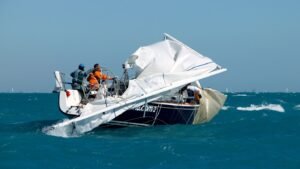
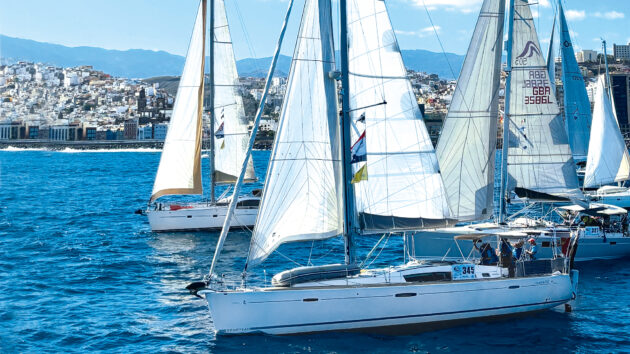
Mast fittings play an important role in supporting rigging loads, securing hardware, and maintaining mast stability on racing sailboats. They must withstand high tensile forces, repeated loading, vibration, and constant exposure to saltwater. Material selection directly affects their strength, weight, durability, and ability to perform under demanding sailing conditions.
Carbon Fibre vs. Aluminium vs. Stainless Steel Mast Fittings for Racing
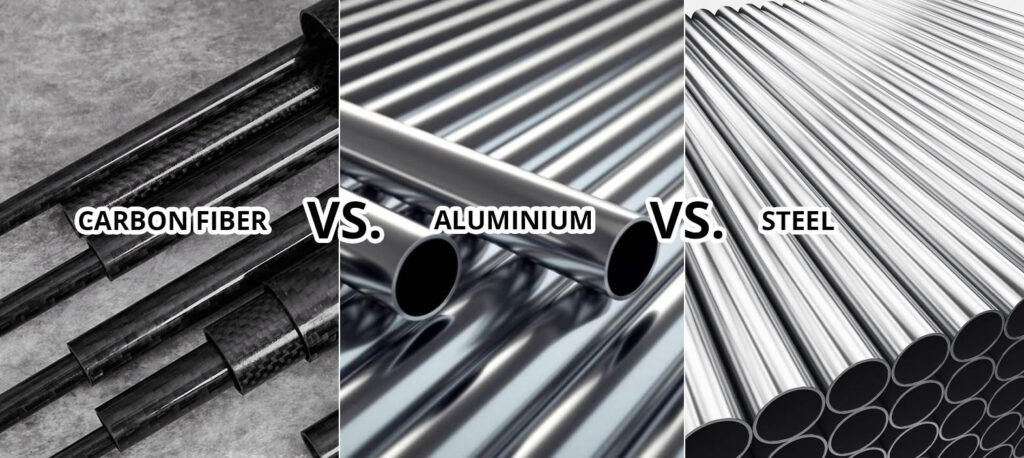
Aluminium, carbon fibre composites and stainless steel are three common material choices for high-performance marine components. Each offers different advantages in weight, stiffness, strength, fatigue resistance, and corrosion resistance. Understanding these differences helps boat designers and manufacturers select mast fitting materials that meet racing demands without adding unnecessary weight or cost.
Aluminium Mast Fittings: Lightweight and Practical
Aluminium is a popular choice for racing mast fittings because it offers a good balance of low weight, strength, and manufacturing flexibility. Marine-grade aluminium alloys can handle significant rigging loads while keeping the weight of the mast assembly relatively low. This makes them suitable for fittings where reducing weight aloft is important.
Strength-to-Weight Ratio
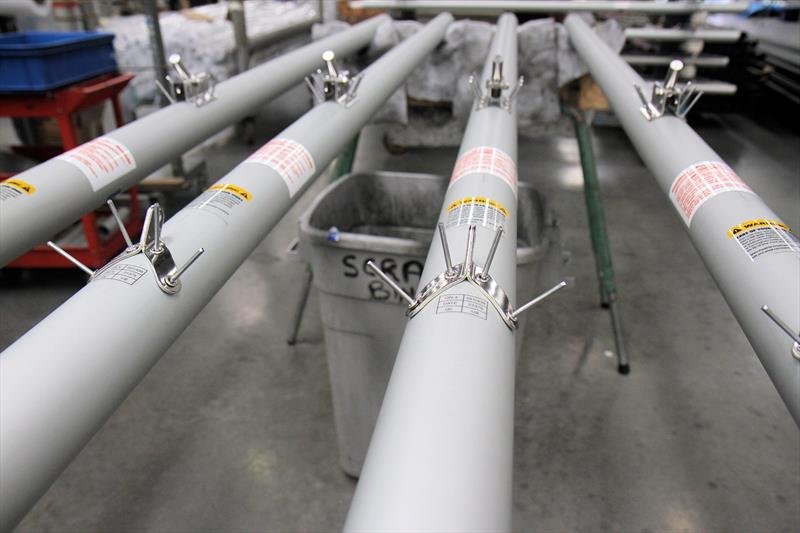
Aluminium alloys provide good strength without the weight of steel. This helps reduce the mass of the mast assembly, which can improve a racing boat's balance and stability. Alloys such as 6061-T6 and 6082-T6 are commonly used in marine engineering because they offer useful mechanical strength and can be machined into complex shapes.
For example, aluminium can be used to manufacture mast brackets, spreader fittings, and custom attachment plates. These components need enough strength to support rigging loads without adding unnecessary weight.
Machinability and Fabrication
Another advantage of aluminium is its machinability. It can be cut, drilled, milled, and turned using standard CNC equipment. This allows manufacturers to produce custom mast fittings with accurate dimensions, smooth surfaces, and complex mounting features.
Aluminium is also relatively easy to weld and fabricate, although welding can affect the strength of heat-treated alloys. For racing applications, CNC machining from solid aluminium stock can provide accurate fittings with fewer fabrication steps.
Limitations of Aluminium Mast Fittings
Despite its advantages, aluminium has some limitations under demanding racing conditions.
- Fatigue: Repeated rigging loads and vibration can cause fatigue cracks, particularly around holes, sharp corners, and other stress concentration points.
- Corrosion: Saltwater can cause pitting and surface corrosion. These defects can weaken the material and reduce its fatigue life.
- Deformation: Aluminium can deform under excessive loads, especially when a fitting has insufficient thickness or poor load distribution.
Research on 6061-T6 and 6082-T6 aluminium alloys has shown that exposure to saline environments can significantly reduce fatigue life. This makes surface protection and regular inspection important for marine fittings. [1]
Galvanic Corrosion Risks
One important concern is galvanic corrosion when aluminium comes into contact with stainless steel. In the presence of saltwater, these dissimilar metals can form an electrochemical reaction that accelerates corrosion of the aluminium.
This risk is common around stainless steel bolts, washers, and fasteners attached to aluminium fittings. Manufacturers can reduce it by using insulating washers, protective coatings, suitable sealants, and proper joint design. Research on aluminium and stainless steel bolted connections has also demonstrated the effects of galvanic corrosion in marine environments. [2]
Suitable Racing Applications
Aluminium is a practical choice for mast brackets, spreader roots, attachment plates, and other custom fittings that require moderate weight, good strength, and accurate machining. It is particularly suitable for racing boats where performance matters but the cost of carbon fibre components is difficult to justify.
Carbon Fibre Mast Fittings: Maximum Weight Savings and Stiffness
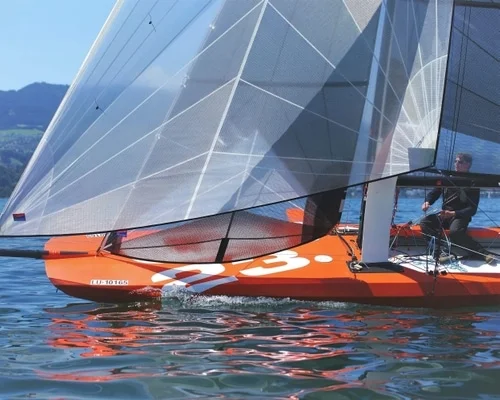
Carbon fibre composites offer high stiffness and low weight, making them attractive for high-performance racing boats. Unlike aluminium and stainless steel, carbon fibre is made by combining strong carbon fibres with a resin that holds them together. This allows manufacturers to design lightweight components that can handle high loads while reducing weight aloft.
Stiffness-to-Weight Ratio
Carbon fibre has an excellent stiffness-to-weight ratio. It can provide high resistance to bending and deformation without adding as much weight as metal fittings. Reducing weight near the top of the mast can also lower the boat's centre of gravity, helping improve stability and sailing performance.
For example, carbon fibre spreader components and custom mast attachments can reduce weight while maintaining the stiffness needed to support the rig. These benefits are especially useful in high-performance racing boats, where small weight savings can make a difference.
Fatigue and Corrosion Resistance
Carbon fibre composites do not rust or suffer from galvanic corrosion in the same way as metals. They also have good fatigue resistance when the fibres and resin are correctly selected and the loads remain within the design limits.
However, their fatigue performance depends on fibre direction, resin quality, manufacturing methods, and the type of loading. Repeated bending, impact, or poorly designed joints can cause internal damage even when the outer surface appears intact. [3]
Manufacturing and Design Considerations
Carbon fibre fittings require careful design because their strength depends on the direction of the fibres. Unlike metals, which have similar properties in different directions, carbon fibre composites are anisotropic. This means they are stronger and stiffer along certain fibre directions.
Manufacturers must consider several factors when designing these fittings:
- Fibre orientation: Fibres should follow the main load paths to provide the required strength and stiffness.
- Resin system: The resin holds the fibres together and transfers loads between them. Its properties affect impact resistance, fatigue life, and durability.
- Load distribution: Bolts and attachment points can create high local stresses. Larger contact areas, suitable washers, and reinforced mounting sections help distribute these loads.
- Bonding quality: Poor bonding between composite layers or between a fitting and its mounting surface can lead to separation and failure.
Bolted connections need particular care. Research on carbon fibre composite joints has identified fibre damage, matrix cracking, and delamination around bolt holes under mechanical loading. [4]
Limitations of Carbon Fibre Fittings
Despite their performance benefits, carbon fibre fittings have several limitations:
- High cost: Carbon fibre materials, moulds, specialist labour, and manufacturing processes are more expensive than conventional metal fabrication.
- Impact damage: A collision with another boat, a dropped tool, or accidental handling damage can crack the resin or break internal fibres.
- Delamination: Repeated loading or impact can separate the composite layers, reducing the fitting's strength.
- Repair difficulties: Damaged composite components often require specialist inspection and repair. Internal damage may not be visible during a basic visual check.
Carbon fibre composites can also experience sudden failure when damage reaches a critical level. Therefore, racing teams should not judge their condition based only on the outer surface. [5]
Suitable Racing Applications
Carbon fibre is most useful where reducing weight and maintaining stiffness provide a clear performance advantage. It can be considered for custom spreader components, lightweight mast attachments, and specialised structural fittings on high-performance racing boats.
However, the higher cost and need for careful joint design make it less practical for every mast fitting. Metal inserts or reinforced attachment sections may also be needed where concentrated loads occur.
Stainless Steel Mast Fittings: Strength and Durability
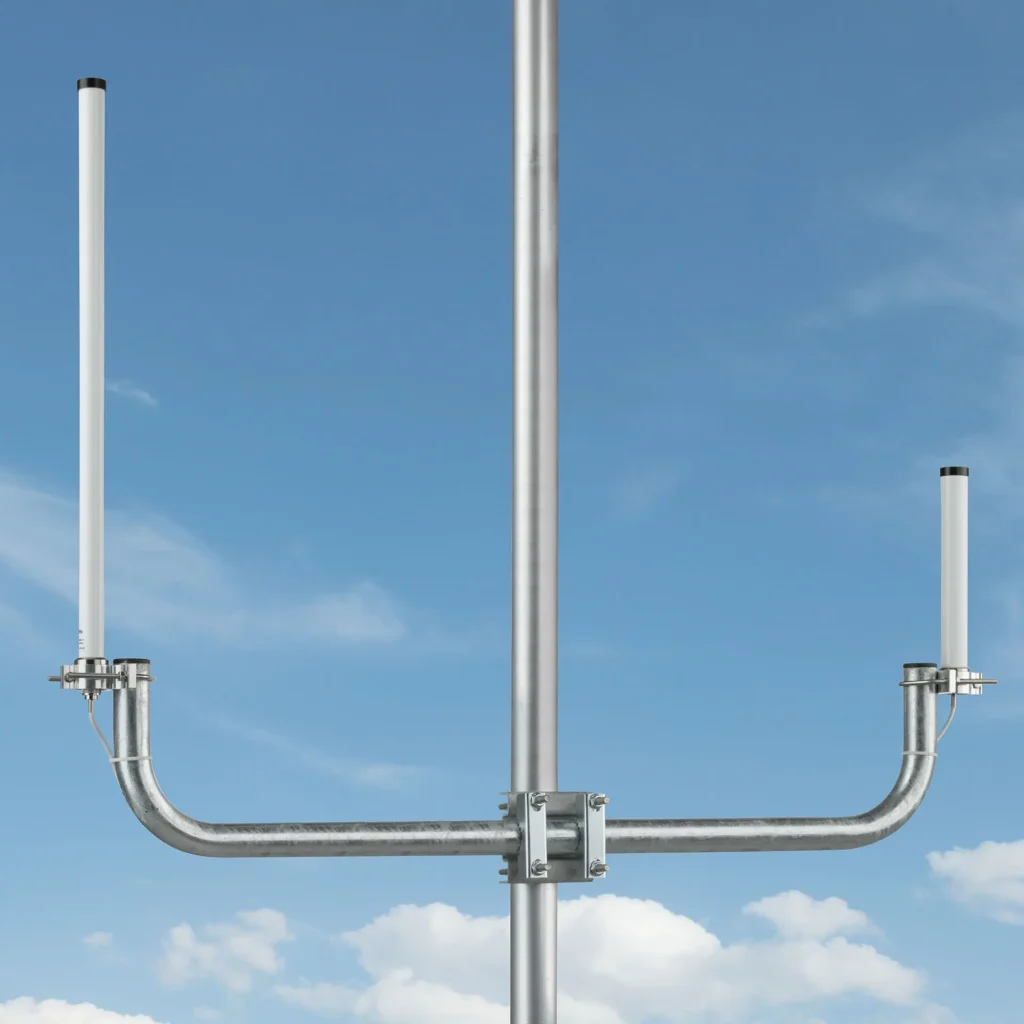
Stainless steel is widely used in marine rigging hardware because of its high strength, toughness, and resistance to wear. It can withstand heavy loads and repeated mechanical stress, making it suitable for mast fittings that support critical rigging connections. Although stainless steel is heavier than aluminium and carbon fibre, its durability makes it a reliable choice for many racing applications.
Strength and Mechanical Performance
Stainless steel offers high tensile strength and good resistance to deformation under heavy loads. It also has good toughness, allowing it to withstand impacts and mechanical stress without breaking easily.
These properties make it suitable for fittings such as:
- Mast tangs: Support standing rigging connections and transfer loads from the shrouds and stays to the mast.
- Shackles and attachment plates: Connect rigging components and withstand repeated loading.
- High-load brackets: Support hardware that must remain secure under strong rigging tension.
For example, a stainless steel mast tang can provide a strong attachment point for a shroud, where the fitting must handle significant tensile loads during sailing.
Marine Stainless Steel Grades: 304 vs. 316
Not all stainless steel grades offer the same level of corrosion resistance. Grades 304 and 316 are common choices for marine hardware, but 316 is generally better suited to saltwater environments. Understanding the differences between 316 and 304 stainless steel for marine rigging helps manufacturers select the right grade for fittings exposed to seawater, salt spray, and repeated mechanical loads.
| Property | 304 Stainless Steel | 316 Stainless Steel |
|---|---|---|
| Chromium content | About 18% | About 16% |
| Nickel content | About 8% | About 10% |
| Molybdenum | Not normally added | About 2% |
| Chloride resistance | Moderate | Higher |
| Marine suitability | Limited in direct saltwater exposure | Better for marine hardware |
The molybdenum in 316 stainless steel improves its resistance to chloride-induced pitting and crevice corrosion. This makes it a more suitable option for fittings exposed to seawater, salt spray, and moisture trapped around fasteners. However, neither grade is completely immune to corrosion. [6]
Corrosion and Environmental Limitations
Although stainless steel resists corrosion, saltwater can still cause damage over time. The main risks include:
- Pitting corrosion: Chlorides in seawater can cause small, deep holes in the steel surface. These defects may weaken fittings even when most of the surface looks clean.
- Crevice corrosion: Moisture and salt can collect in narrow gaps around bolts, washers, and overlapping surfaces. These areas can corrode even when the exposed steel remains in good condition.
- Stress corrosion cracking: Under certain conditions, the combination of tensile stress and a chloride-rich environment can cause cracks to form and grow within the material.
Grade 316 offers better resistance than 304, but it is not immune to pitting or crevice corrosion. Research on stainless steel in marine environments highlights the importance of joint design, surface condition, and exposure conditions in preventing these problems. [7]
Compatibility with Other Mast Materials
Stainless steel fittings are often connected to aluminium masts using bolts and other fasteners. However, direct contact between these metals in the presence of saltwater can cause galvanic corrosion, which may damage the aluminium around the connection.
Manufacturers can reduce this risk by using insulating washers, non-conductive sleeves, protective coatings, and suitable sealants. These measures help prevent direct electrical contact between dissimilar metals and protect the surrounding material. [8]
Suitable Racing Applications
Stainless steel is a good choice for fittings that experience high mechanical loads and require long-term durability. Common applications include:
- Mast tangs and standing rigging attachment points.
- Shackle pins and high-load connectors.
- Bolts, fasteners, and reinforced mounting hardware.
- Fittings exposed to repeated friction and mechanical wear.
For racing boats, 316 stainless steel is generally more suitable than 304 for exposed marine hardware. Its added weight is often acceptable where strength, toughness, and reliable load transfer are more important than reducing every gram.
Aluminium vs. Carbon Fibre vs. Stainless Steel: Performance Comparison
Aluminium, carbon fibre, and stainless steel offer different performance benefits for racing mast fittings. The best choice depends on the loads a fitting must support, its position on the mast, and the conditions in which the boat operates. Comparing their weight, strength, fatigue resistance, corrosion behaviour, and cost helps identify the most suitable material for each application.
Weight and Racing Performance
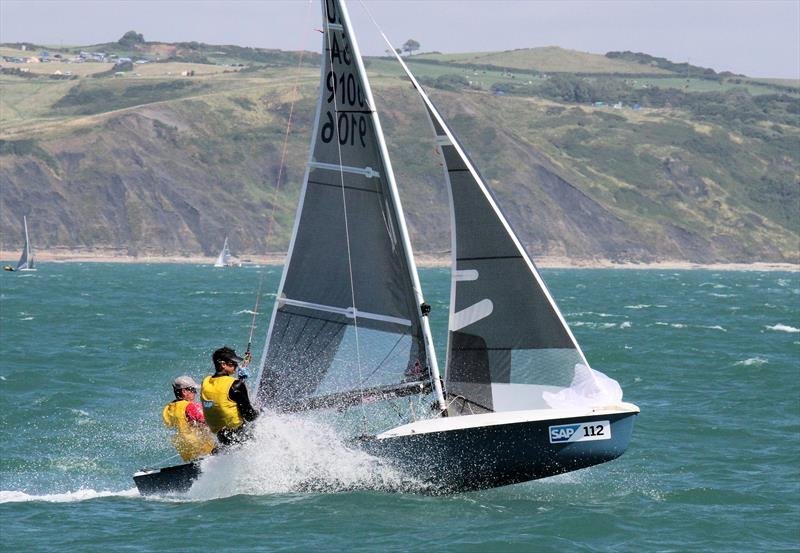
Weight is an important factor in racing sailboats, particularly when it is carried high on the mast. Reducing weight aloft lowers the boat's centre of gravity and can reduce its tendency to heel under wind pressure.
The three materials differ considerably in density:
| Material | Approximate Density | Weight Characteristics |
|---|---|---|
| Aluminium alloys | 2.7 g/cm³ | Lightweight and practical |
| Carbon fibre composites | 1.5 to 1.8 g/cm³ | Very lightweight |
| Stainless steel | 7.9 to 8.0 g/cm³ | Heaviest option |
Carbon fibre offers the greatest potential for weight savings, followed by aluminium. Stainless steel is considerably heavier, so it is often reserved for smaller fittings where high strength and durability are more important than minimum weight.
However, density alone does not determine the final weight of a fitting. Its shape, thickness, reinforcement, and load requirements also matter. A carbon fibre fitting may need additional material around bolt holes, while an aluminium fitting may require thicker sections to achieve the same stiffness.
Strength and Stiffness
Strength determines how much load a fitting can withstand before failure, while stiffness describes how much it deforms under that load. Both properties are important for maintaining secure rigging connections.
- Aluminium: Offers good strength for its weight and can be machined into rigid, load-bearing fittings. However, its stiffness is lower than that of steel and many carbon fibre composites.
- Carbon fibre: Provides excellent stiffness and strength along the fibre direction. Its performance depends on fibre orientation, resin type, and laminate design.
- Stainless steel: Offers high tensile strength and toughness. It is suitable for fittings that must withstand heavy loads and resist local deformation.
For example, a stainless steel mast tang may be suitable for a heavily loaded shroud connection, while a carbon fibre component may be preferred for a lightweight structural attachment where stiffness is important.
Fatigue Resistance Under Repeated Loads
Mast fittings experience repeated loads as wind pressure, sail movement, and rig tension change during racing. These cycles can gradually weaken materials, especially around holes, joints, and sharp edges.
- Aluminium: Can develop fatigue cracks under repeated loading. Saltwater exposure can make the problem worse by creating corrosion pits that act as crack starting points.
- Carbon fibre: Can perform well under cyclic loading, but repeated stress may cause fibre breakage, resin cracking, and delamination.
- Stainless steel: Offers good fatigue performance when properly designed. However, surface defects, stress concentrations, and corrosion can reduce its service life.
Research on 6061 aluminium alloy found that exposure to a 3.5% sodium chloride solution significantly reduced its fatigue life. This highlights the need for proper surface protection and inspection of aluminium fittings used in marine environments. [9]
Carbon fibre also requires careful fatigue assessment because damage can develop within the composite layers before becoming visible on the surface.
Corrosion and Environmental Resistance
The three materials behave differently when exposed to saltwater:
- Aluminium: Can suffer from pitting and galvanic corrosion, particularly when connected to stainless steel fasteners.
- Carbon fibre: Does not rust and offers good resistance to many marine conditions. However, its metal inserts and fasteners can still corrode.
- Stainless steel: Resists general corrosion, but grades 304 and 316 can still suffer from pitting and crevice corrosion in chloride-rich environments.
For example, a 316 stainless steel fitting attached to an aluminium mast may remain in good condition while the surrounding aluminium corrodes. Proper insulation between the metals is therefore important. [10]
Impact Resistance and Damage Risk
Impact resistance is another important factor, particularly during equipment handling, boat-to-boat contact, and rigging adjustments.
Stainless steel offers good toughness and can withstand many forms of mechanical impact. Aluminium can also absorb impact, but severe loads may cause permanent bending or cracking.
Carbon fibre behaves differently. A fitting may retain its shape after an impact while suffering internal cracks or delamination. These defects can reduce its load-bearing capacity, even when there is little visible surface damage.
Maintenance, Service Life, and Cost
Maintenance requirements depend on the material, design, and operating conditions.
| Material | Maintenance Requirements | Cost Considerations |
|---|---|---|
| Aluminium | Check for pitting, fatigue cracks, coating damage, and galvanic corrosion | Moderate material and machining costs |
| Carbon fibre | Inspect for cracks, delamination, damaged fibres, and joint defects | High material and manufacturing costs |
| Stainless steel | Check for pitting, crevice corrosion, cracks, and damaged fasteners | Moderate to high material and machining costs |
Aluminium fittings are relatively easy to machine and replace. Stainless steel components can offer long service life when correctly selected and maintained. Carbon fibre fittings may require specialist inspection and repair, which can increase long-term ownership costs.
Overall Material Comparison
The following table summarises the main advantages, limitations, and suitable racing applications of each material.
| Performance Factor | Aluminium | Carbon Fibre | Stainless Steel |
|---|---|---|---|
| Weight | Low | Very low | High |
| Strength | Good | Excellent when properly designed | Excellent |
| Stiffness | Moderate | Very high | High |
| Fatigue resistance | Moderate | Good, design-dependent | Good |
| Corrosion resistance | Requires protection | Excellent for composite material | Good, grade-dependent |
| Impact resistance | Good | Vulnerable to hidden damage | Very good |
| Machinability | Excellent | Requires specialist processes | Good, but harder to machine |
| Maintenance | Moderate | Requires specialist inspection | Moderate |
| Cost | Moderate | High | Moderate to high |
| Best application | General-purpose fittings | High-performance lightweight components | High-load connections |
The comparison shows that no single material performs best in every category. Aluminium offers a practical balance of weight and cost, carbon fibre provides excellent weight savings and stiffness, while stainless steel remains a strong choice for heavily loaded fittings.
Choosing the Right Mast Fitting Material for Racing
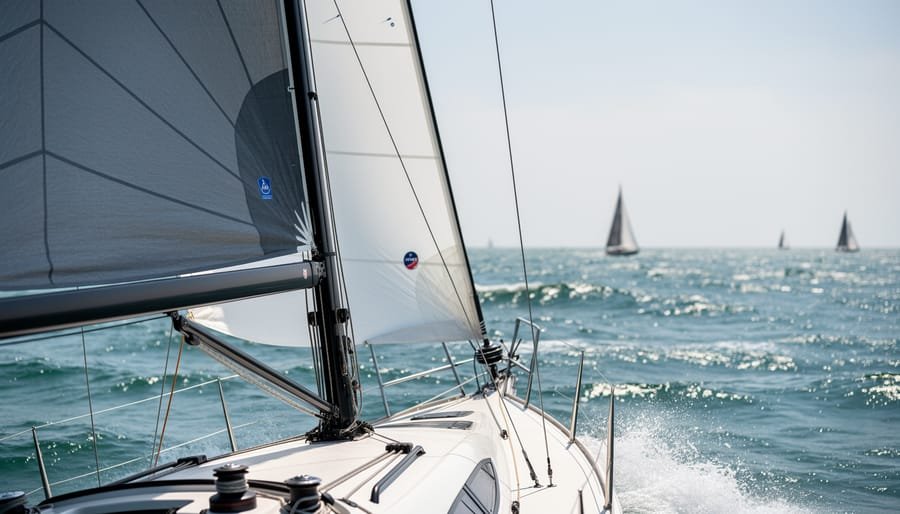
The right mast fitting material depends on the boat's design, rigging loads, racing conditions, and budget. Aluminium, carbon fibre, and stainless steel each serve different purposes. Rather than choosing one material for every component, manufacturers should match the material to the fitting's actual mechanical and environmental requirements.
When to Choose Aluminium
Aluminium is a practical choice for racing boats that need lightweight, strong, and affordable fittings. It is particularly suitable for custom components that require accurate machining and moderate to high load capacity.
Consider aluminium for:
- Mast brackets and spreader fittings.
- Custom mounting plates and attachment components.
- General-purpose fittings where weight and manufacturing cost matter.
Marine-grade alloys such as 6061-T6 and 6082-T6 can provide good mechanical performance when correctly designed and protected against corrosion.
When to Choose Carbon Fibre
Carbon fibre is suitable for high-performance racing boats where reducing weight aloft and maintaining stiffness are major priorities. Its higher manufacturing cost can be justified when even small weight savings offer a meaningful performance benefit.
It is worth considering for:
- Lightweight structural mast components.
- Specialised spreader assemblies.
- Custom composite fittings designed for specific load conditions.
However, designers must account for impact damage, delamination, and stress around attachment points. Metal inserts and reinforced sections may be needed for secure bolted connections.
When to Choose Stainless Steel
Stainless steel is a strong option for fittings that must withstand heavy loads, repeated mechanical stress, and wear. Although its higher density makes it less suitable for large components where weight reduction is important, its strength and toughness are valuable for smaller load-bearing hardware.
Typical applications include:
- Mast tangs and standing rigging connections.
- High-load shackles and attachment plates.
- Bolts, pins, and fastening hardware.
- Components exposed to repeated friction and mechanical stress.
Grade 316 stainless steel is generally preferable to 304 for exposed marine fittings because of its better resistance to chloride corrosion.
Engineering, Material Compatibility, and Inspection
Material selection alone cannot guarantee a reliable mast fitting. The design must also account for load distribution, fastener strength, joint geometry, and the effects of repeated loading.
Manufacturers should consider the following:
- Load requirements: Calculate the tensile, compressive, and bending loads each fitting must support.
- Material compatibility: Prevent galvanic corrosion when joining aluminium with stainless steel components.
- Fastener selection: Use suitable bolts, washers, and locking systems to maintain secure connections.
- Regular inspection: Check for fatigue cracks, corrosion, loose fasteners, impact damage, and composite delamination.
For racing boats, inspection is particularly important because repeated high loads can expose weaknesses that may not appear during normal sailing.
Ultimately, the best material is the one that meets the fitting's actual load requirements while providing suitable weight, durability, and corrosion resistance. Careful material selection, accurate manufacturing, and regular maintenance help keep mast fittings reliable throughout demanding racing conditions.
References
Avramenko, T., Michel, S., Stutz, A., Kollender, J., Burda, I., Hans, U., Affolter, C., & Pietro Terrasi, G. (2025). A comparative study on corrosion fatigue susceptibility and microstructural effects in 6061-T6 and 6082-T6 aluminum alloys. Metals, 15(6), 653. https://doi.org/10.3390/met15060653
Chanyathunyaroj, K., Phetchcrai, S., Laungsopapun, G., & Rengsomboon, A. (2019). Fatigue characteristics of 6061 aluminum alloy subject to 3.5% NaCl environment. International Journal of Fatigue, 133, 105420. https://doi.org/10.1016/j.ijfatigue.2019.105420
El-Sisi, A., Hassanin, A., Alsharari, F., Galustanian, N., & Salim, H. (2022). Failure Behavior of Composite bolted Joints: review. CivilEng, 3(4), 1061–1076. https://doi.org/10.3390/civileng3040060
Guo, R., Li, C., Niu, Y., & Xian, G. (2022). The fatigue performances of carbon fiber reinforced polymer composites – A review. Journal of Materials Research and Technology, 21, 4773–4789. https://doi.org/10.1016/j.jmrt.2022.11.053
Saai, A., Delhaye, V., Lange, T., Furu, T., Aamot, K., & Lein, J. (2023). Comparative study of the effects of galvanic corrosion on the strength and the failure of aluminium and stainless steel bolted joints. Journal of Advanced Joining Processes, 8, 100163. https://doi.org/10.1016/j.jajp.2023.100163
Selection of 316, 304 and 303 types of stainless steels for seawater applications – British Stainless Steel Association. (n.d.). https://bssa.org.uk/bssa_articles/selection-of-316-304-and-303-types-of-stainless-steels-for-seawater-applications/
Shipsha, A., & Burman, M. (2020). Failure mechanisms in NCF composite bolted joints: Experiments and FE model. Composites Part B Engineering, 192, 107950. https://doi.org/10.1016/j.compositesb.2020.107950
Shuku, B. G., Tinsay, M. W., & Tamiru, O. (2026). Numerical and experimental investigation of galvanic corrosion in coupled AA7025 and SS304L for marine applications. Research Square. https://doi.org/10.21203/rs.3.rs-11214335/v1
Wang, Z., Cong, Y., Zhang, T., Shao, Y., & Meng, G. (2011). Study on the Crevice Corrosion Behavior of 316L Stainless Steel used on Marine Gas Turbine Inlet Filters by Stochastic Methods. International Journal of Electrochemical Science, 6(11), 5521–5538. https://doi.org/10.1016/s1452-3981(23)18425-2
Zhang, Z., Li, Z., Wu, F., Xia, J., Huang, K., Zhang, B., & Wu, J. (2022). A comparison study of crevice corrosion on typical stainless steels under biofouling and artificial configurations. Npj Materials Degradation, 6(1). https://doi.org/10.1038/s41529-022-00301-w