
I've watched countless sailboat owners struggle with corroded hardware after just one season at sea. The saltwater eats through unprotected aluminum like acid through paper. It's frustrating and expensive.
Anodizing creates an electrochemical oxide layer on aluminum sailboat components that acts as a permanent barrier against saltwater corrosion, UV damage, and constant moisture exposure. This process transforms the metal's surface into a dense, hard protective coating that can last 15-20 years in marine conditions without peeling or chipping like paint.
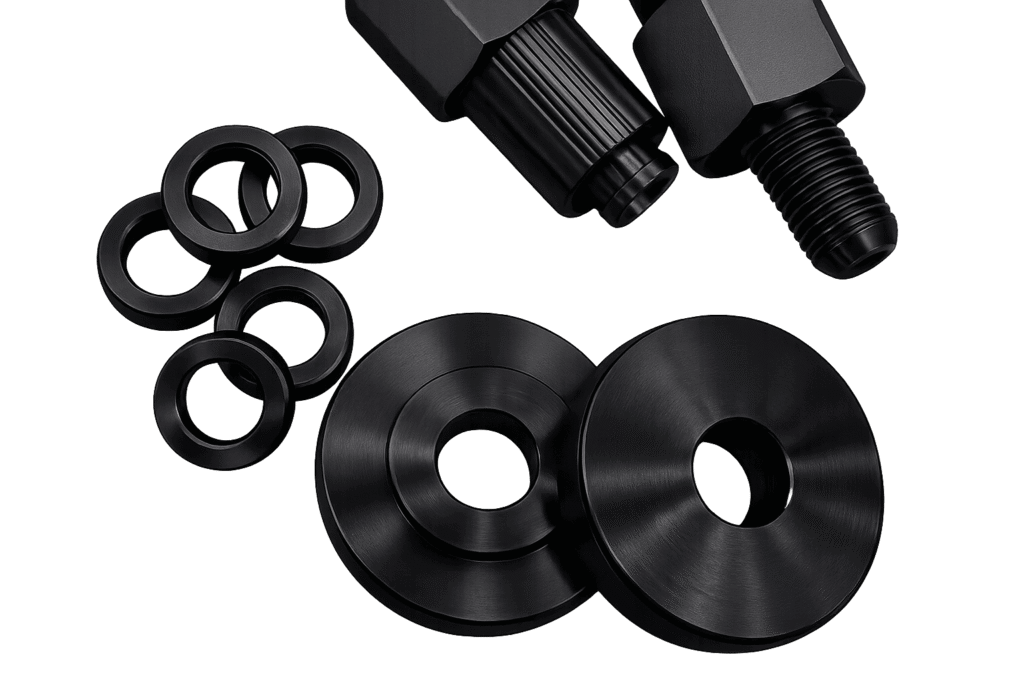
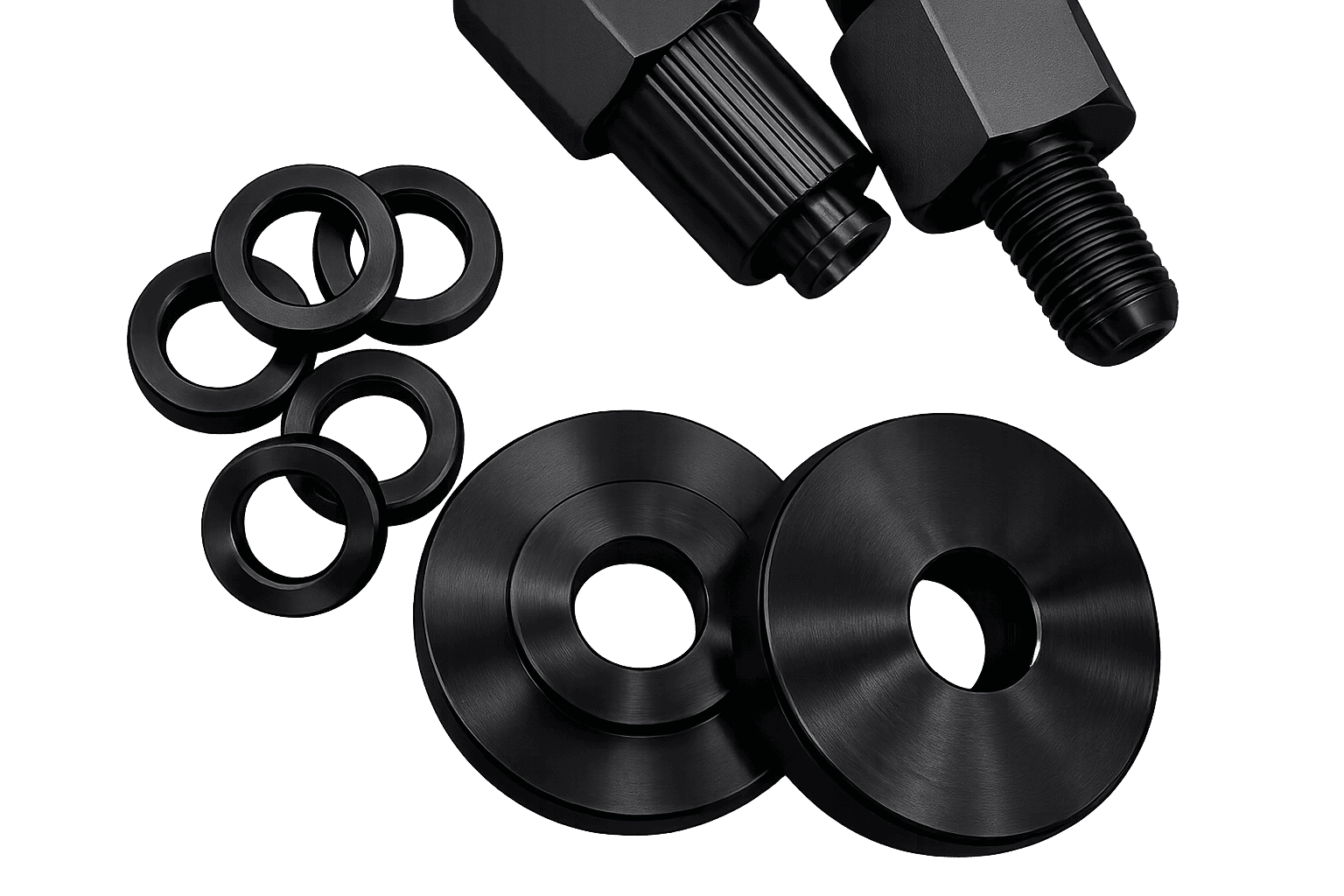
Anodized Aluminum Sailboat Components
At our factory in Kunshan, we've been machining and anodizing sailboat components for European and North American manufacturers for years. I've seen firsthand how the right surface treatment makes the difference between parts that fail in two years versus parts that outlast the boat itself.
What Makes Anodized Aluminum Ideal for Sailboat Hardware?
The constant battle between metal and saltwater keeps me up at night. Every sailboat component we machine faces an environment that destroys most materials within months.
Anodized aluminum combines three critical properties for marine applications: exceptional corrosion resistance in saltwater, significant weight reduction compared to stainless steel, and the ability to maintain structural integrity under constant UV exposure and moisture. The anodic oxide layer is not a coating but an integral part of the aluminum itself, which means it cannot peel, chip, or flake off.
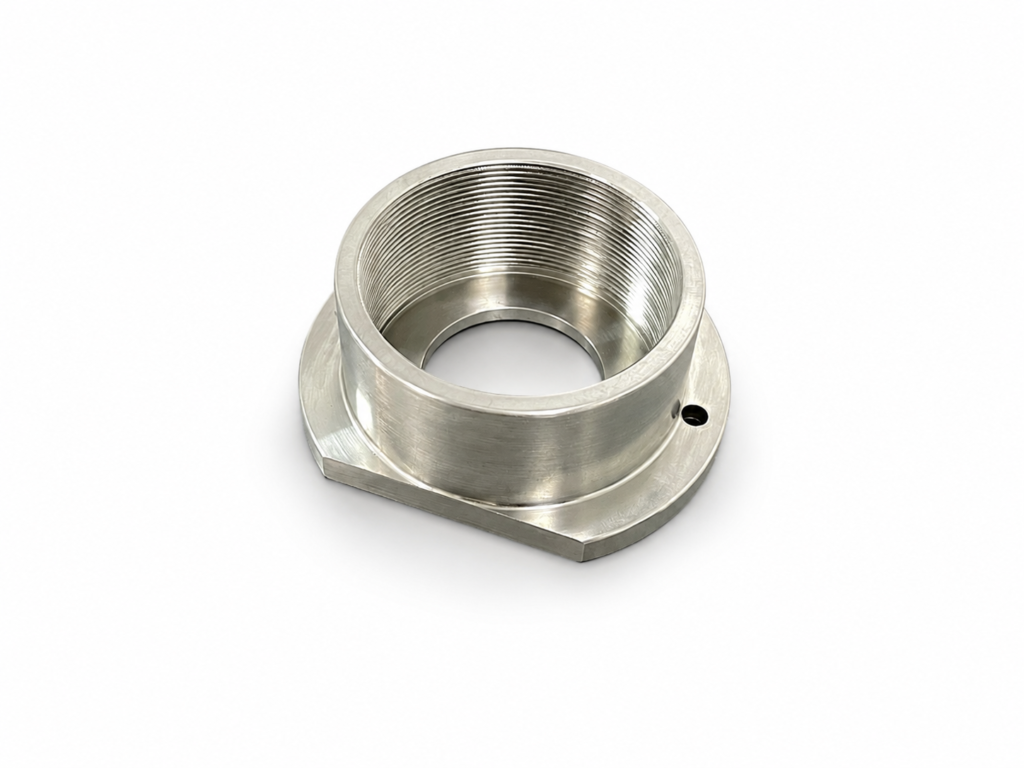
Sailboat Hardware Components
The science behind why this works is elegant. When we anodize aluminum parts at our facility, we submerge the CNC-machined component in a sulfuric acid bath and pass electrical current through it. This forces oxygen ions to bond with the aluminum surface at a molecular level. The result is aluminum oxide, which is the same material as sapphire, one of the hardest naturally occurring substances on earth.
The cellular structure of the anodized layer is remarkable. Under magnification, it looks like millions of tiny hexagonal columns packed tightly together. Each column has a microscopic pore running through its center. This porous structure is what allows us to add color dyes if needed, but more importantly, it provides exceptional adhesion because the oxide layer grows both into and out of the base material.
For sailboat applications specifically, I focus on three key advantages:
| Property | Benefit for Sailboats | Why It Matters |
|---|---|---|
| Weight-to-strength ratio | 40% lighter than stainless steel | Reduces weight aloft, improves performance |
| Corrosion resistance | Withstands 1000+ hours salt spray testing | Prevents galvanic corrosion and oxidation |
| UV stability | No degradation from sunlight | Maintains appearance and function for decades |
The weight advantage is huge. When I machine a winch housing or mast track from 6061 aluminum and anodize it, the finished part weighs significantly less than a comparable stainless steel component. On a sailboat, every pound you save above the waterline improves stability and performance. I've worked with racing teams who calculate every gram because it matters that much.
Which Anodizing Type Works Best for Marine Applications: Type II or Type III?
Most boat builders ask me this question within the first five minutes of our conversation. The answer isn't simple because it depends entirely on what the part does.
Type II anodizing creates a 5-25 micron coating ideal for deck hardware, fittings, and non-contact surfaces, while Type III hard anodizing produces a 25-75 micron layer with Rockwell C hardness of 60-70, making it essential for high-wear components like winches, cleats, and mast tracks that experience constant friction and mechanical stress.
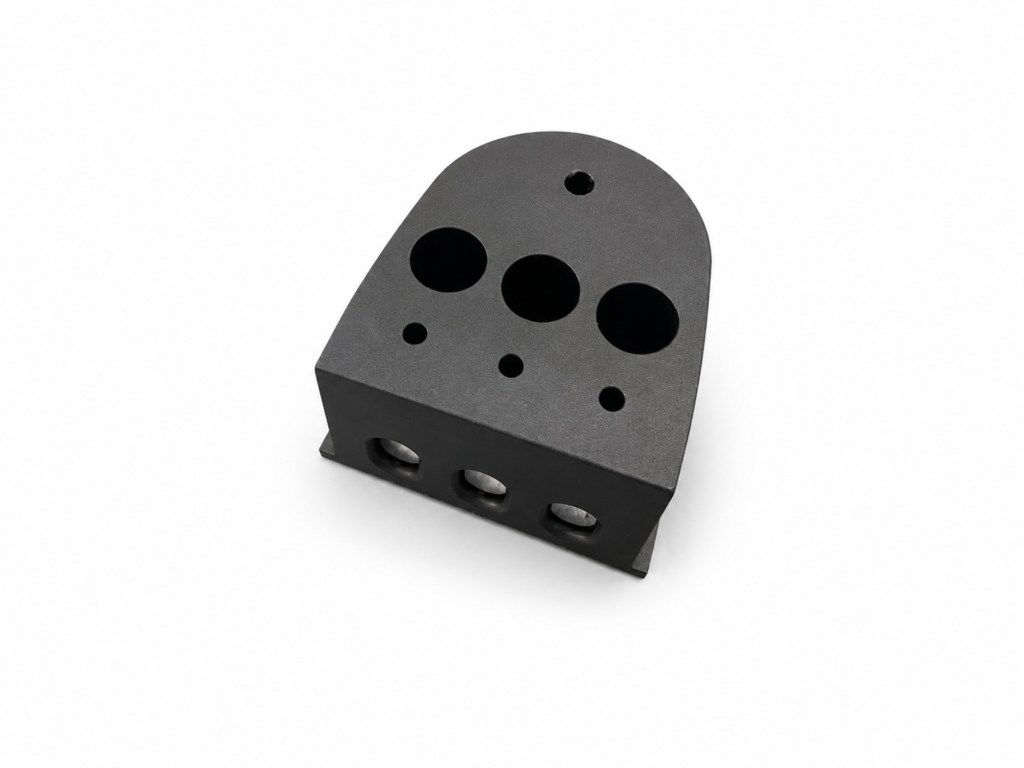
Anodizing Types Comparison
I run both processes in our factory, and the physical differences are immediately obvious. Type II uses a sulfuric acid bath at room temperature with moderate current density. The process is relatively straightforward. Type III requires us to chill the acid bath to near freezing and apply much higher current. This forces the oxide layer to grow thicker and denser.
When I look at a Type II anodized part, the finish is clean and can accept vibrant dyes beautifully. It protects deck fittings, stanchions, and non-moving hardware exceptionally well. The corrosion resistance is excellent for general marine exposure. But if you try to use Type II on a part that experiences sliding wear or repeated mechanical contact, the coating will eventually wear through.
Type III hardcoat changes everything for high-stress components. I've tested samples where we drag steel across the surface repeatedly. The Type III surface barely shows a mark after hundreds of cycles, while Type II would be worn through. For winch drums that handle thousands of pounds of line tension, for cleats that take shock loads, for mast tracks where cars slide constantly, Type III is the only logical choice.
The trade-off is appearance and cost. Type III naturally produces a darker, more industrial-looking finish. Dye absorption is limited, so most hardcoat parts stay black, bronze, or gray. The process also takes longer and requires more energy to maintain that cold bath temperature, which increases our processing costs. But for components where function matters more than appearance, the investment pays back in extended service life.
Here's how I guide our customers:
| Component Type | Recommended Process | Reasoning |
|---|---|---|
| Deck fittings, handrails | Type II | Cosmetic appearance, good corrosion protection |
| Winch housings, clutches | Type III | Wear resistance under load |
| Mast tracks, car systems | Type III | Sliding friction requires hardness |
| Stanchion bases, pad eyes | Type II | Adequate protection, lower cost |
| Hydraulic manifolds | Type III | Corrosion plus durability |
What Are the Corrosion Resistance Benefits of Anodizing in Saltwater Environments?
I live near the coast, and I see what saltwater does to unprotected metal every single day. It's brutal and unforgiving.
Anodizing provides superior corrosion protection in saltwater because the aluminum oxide layer is chemically inert and non-porous when properly sealed. Unlike paint or plating that can allow moisture to penetrate beneath the surface, anodizing becomes part of the metal itself. The sealed oxide layer prevents chloride ions in seawater from attacking the aluminum substrate, effectively stopping galvanic corrosion and pitting.
The chemistry here is what makes the difference. Raw aluminum naturally forms a thin oxide layer when exposed to air, but this natural layer is chaotic, inconsistent, and only a few nanometers thick. It provides minimal protection. When we anodize, we control the growth of this oxide layer to create a thick, uniform, highly organized structure that is orders of magnitude more protective.
The sealing step is absolutely critical for marine applications. After anodizing, we seal the parts in hot deionized water or a chemical sealant solution. This hydrates the aluminum oxide and causes the microscopic pores to swell shut. Without sealing, those open pores would allow saltwater and contaminants to penetrate, leading to eventual corrosion. With proper sealing, the surface becomes nearly impermeable.
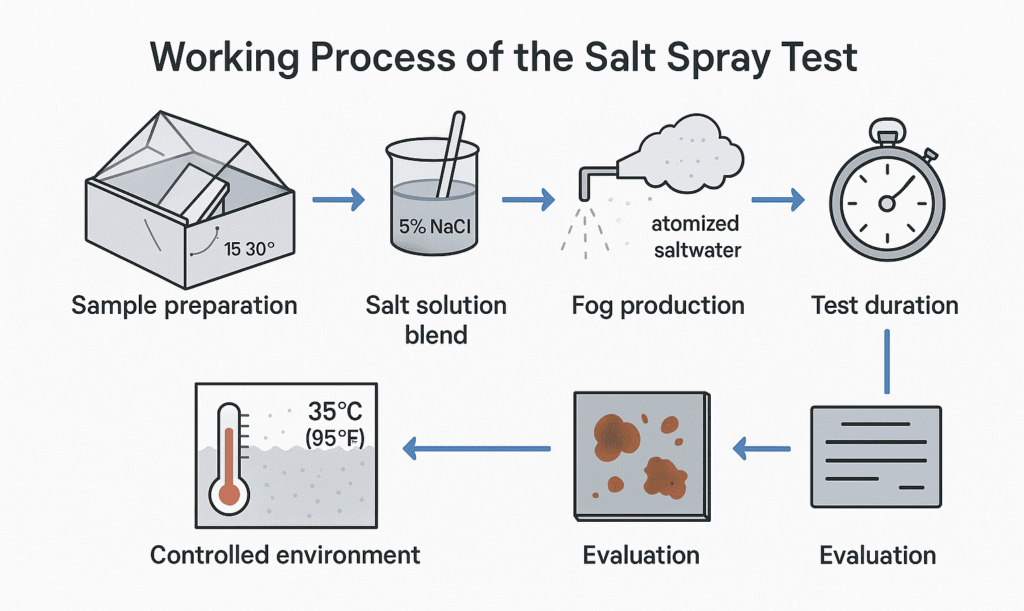
I run salt spray testing on samples regularly. Type II anodized and sealed aluminum can withstand 500-1000 hours of continuous salt fog exposure without showing significant corrosion. Type III hardcoat goes even further, often exceeding 2000 hours. For reference, a typical boat season might expose hardware to a few hundred hours of actual saltwater contact.
The prevention of galvanic corrosion is another massive benefit. When dissimilar metals contact each other in saltwater, one metal corrodes rapidly while the other is protected. This galvanic action destroys hardware quickly. The anodic layer acts as an insulator, breaking the electrical connection between aluminum and other metals like stainless steel fasteners or bronze fittings. This isolation prevents the electrochemical reaction that causes galvanic corrosion.
I also appreciate that anodizing maintains its protection even when scratched. Because the oxide layer penetrates into the base metal, a superficial scratch doesn't expose raw aluminum. The protection continues beneath the surface. Compare this to paint, where a single chip exposes bare metal that immediately begins corroding.
How Long Does Anodized Aluminum Last on Sailboats?
Boat owners always want to know the lifespan. They're making significant investments and need components that won't require constant replacement.
Properly anodized aluminum sailboat components typically last 15-20 years in active marine service when Type II or Type III processes are correctly applied and sealed. In protected or less aggressive environments, the service life can extend beyond 25 years. The actual lifespan depends on exposure severity, maintenance practices, and whether the component experiences mechanical wear in addition to environmental exposure.
I base these numbers on real-world feedback from customers and independent testing data. We've supplied components for sailboat manufacturers since the early 2000s, and many of those original parts are still performing well today. The key factors that determine longevity are straightforward: proper alloy selection, correct anodizing parameters, complete sealing, and appropriate type selection for the application.
Alloy choice matters more than most people realize. I primarily work with 6061-T6 aluminum for sailboat components because it anodizes beautifully and produces a uniform, consistent oxide layer. The 6061 alloy has a balanced composition that responds well to both Type II and Type III processes. Some manufacturers try to use 7075 because it's stronger, but this high-zinc alloy produces a less consistent anodized finish with more color variation. For marine applications where corrosion resistance is paramount, I stick with 6061.
The decline in performance over time is gradual, not sudden. UV exposure causes some minor fading of dyed finishes, but the protective properties remain intact. Mechanical wear on high-contact surfaces eventually thins the hardcoat layer, but this happens slowly over thousands of cycles. Environmental exposure in extreme conditions—like tropical sun combined with warm saltwater—accelerates aging compared to temperate climates, but even then, we're talking about gradual degradation over many years.
Maintenance extends lifespan significantly. Simple freshwater rinses after sailing remove salt crystals that would otherwise sit on the surface and slowly work their way into any microscopic imperfections. Periodic cleaning with mild soap keeps organic growth from establishing on the surface. These basic practices can add years to the functional life of anodized components.
When I compare anodizing to alternative finishes, the difference is dramatic:
| Finish Type | Typical Marine Lifespan | Maintenance Requirements |
|---|---|---|
| Anodized (Type II/III) | 15-20+ years | Minimal, freshwater rinse |
| Powder coating | 3-7 years | Frequent inspection, touch-up |
| Paint | 2-5 years | Annual repainting often needed |
| Raw aluminum | 1-3 years | Constant cleaning, rapid degradation |
The premium sailboat manufacturers across Europe and North America understand this value proposition. They specify anodizing not because it's the cheapest option upfront, but because it dramatically reduces lifecycle costs. When a deck fitting lasts the life of the boat instead of requiring replacement every few seasons, the total cost of ownership drops significantly. For high-performance racing sailboats where every component must be reliable, anodizing is simply the standard.
Conclusion
Anodizing transforms CNC-machined aluminum sailboat components into marine-grade equipment that withstands decades of saltwater exposure, UV radiation, and mechanical wear. The electrochemical oxide layer provides unmatched protection while maintaining the lightweight performance advantages that make aluminum ideal for sailing applications.